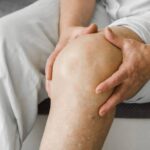
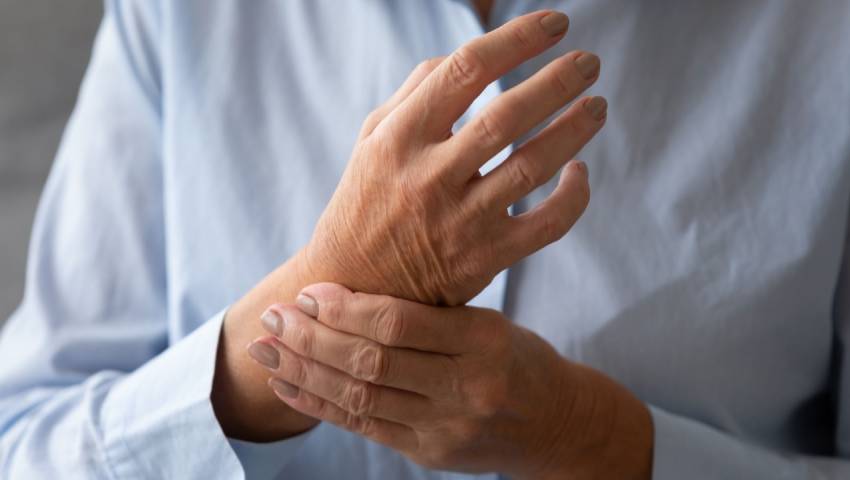
Have you ever noticed that joint pain seems to get worse the moment winter arrives? Many elderly people struggle with stiffness, swelling, and discomfort as the temperature drops. Osteoarthritis and cold weather often don’t go well together, as low temperatures can make joints feel tighter and more painful. Some seniors even feel like they develop arthritis from cold, especially when the drop in temperature causes increased swelling.
Arthritis in cold weather affects mobility and daily routine, especially for those already dealing with long-term joint issues. But with the right care and small lifestyle changes, seniors can stay active, comfortable, and better prepared throughout the season.
In This Blog, You Will Learn
- Why does arthritis pain increase in winter
- Common winter joint issues elderly people face
- The best winter tips for arthritis patients
- Safe and simple arthritis exercises in winter
Why Arthritis Worsens in Winter?
Winter often makes arthritis symptoms flare up, especially in seniors. Cold weather affects joint movement and increases stiffness. Here’s why this happens:
- Cold temperatures tighten the muscles, reducing flexibility and increasing joint stiffness.
- Reduced blood flow in winter makes joints feel sore, heavy, and less mobile.
- Sudden weather changes can trigger osteoarthritis pain flare-ups.
- Lower activity levels during cold days weaken joints and increase discomfort.
- Dry winter air may worsen inflammation around sensitive joints.
Common Winter Joint Issues in Elderly:
Elderly people often face a set of joint-related problems during winter, such as:
- Increased knee pain in winter due to stiff joints
- Morning stiffness that takes longer to loosen
- Swelling around commonly affected areas like knees, hips, and fingers
- Reduced range of motion due to cold-induced muscle tightening
- Higher risk of falls because joints feel weak or unsteady
- Flare-ups of osteoarthritis and rheumatoid arthritis
- Slower recovery from minor joint injuries
These issues make daily tasks difficult and reduce independence if not cared for in time.
Best Winter Care Tips for Seniors:
Winter joint pain can be managed with simple daily habits. Here are some effective, practical tips:
- Keep the body warm – Layer clothing, cover knees and hands, and avoid sudden exposure to cold air.
- Stay active – Short walks, stretching, and basic movements help maintain flexibility.
- Follow home remedies for joint pain in winter – Warm compress, gentle massage, turmeric milk, and staying hydrated.
- Use assistive supports – Knee sleeves or braces reduce pressure on painful joints.
- Eat joint-friendly foods – Include calcium-rich foods, hot soups, omega-3 sources, and seasonal vegetables.
- Stay indoors during early mornings – The coldest hours worsen symptoms for seniors with elderly joint pain in winter.
- Take medicines on time – Especially for people under ongoing arthritis treatment in Pune.
Safe Exercises for Arthritis in Winter:
Physical activity is one of the best ways to reduce elderly joint pain in winter. These gentle exercises keep joints warm, flexible, and active.
Low-Impact Aerobic Exercises:
- Seated Marching – Boosts blood flow and keeps the legs active.
- Light Yoga & Breathing Exercises – Helps relax the body and reduce stiffness.
- Ankle Rotations – Reduces tightness in the feet and ankle joints.
- Indoor Walking – Short, slow-paced walks inside the house improve mobility without strain.
- Step Touch Exercise – Gently stepping side to side helps warm up lower joints and improves balance.
Strength and Flexibility Training:
- Heel Slides – Improves knee movement and reduces joint pressure.
- Shoulder Circles – Enhances upper body flexibility and reduces stiffness.
- Finger & Wrist Stretches – Helps seniors with hand tightness.
- Calf Stretch on Wall – Loosens tight calf muscles, supporting ankle and knee function.
- Seated Leg Extensions – Strengthens thigh muscles and supports better knee stability.
Conclusion:
Winter can be tough for seniors dealing with arthritis, but the right care can make all the difference. Staying warm, staying active, and following simple arthritis in knees remedies can ease pain and stiffness. Gentle exercises and stretches provide relief for aching joints, helping maintain mobility and comfort. Simple arthritis in knees remedy at home, combined with proper guidance, can significantly reduce discomfort.
If symptoms don’t improve, consulting Dr. Ashutosh Jadhav—one of the most trusted specialists for arthritis treatment in PCMC—is the safest way to protect joint health and comfort during the winter months.
FAQ's:
Cold air reduces blood flow to joints, causing stiffness and increased pain. Muscles also tighten in low temperatures, making movement harder.
Keep joints warm, stay active, use warm compresses, stay hydrated, and follow simple stretching routines. These steps help reduce discomfort.
Warm clothing, gentle exercises, healthy food, staying indoors during peak cold, and timely medications are key winter care habits.
Heel slides, ankle rotations, seated marching, finger stretches, and light yoga are safe and effective winter exercises.
Regular movement, warm baths, proper diet, hydration, and avoiding long sitting hours help maintain joint health.
Yes. Cold weather stiffens the muscles and reduces joint lubrication, causing increased knee pain—especially in elderly individuals.
Yes, cold weather can worsen arthritis symptoms. Low temperatures may cause joint stiffness, swelling, and discomfort, especially in knees, hips, and hands. People with osteoarthritis often feel increased pain during winter. Staying warm, keeping joints active, and following arthritis in knees remedies can help reduce discomfort. Consulting Dr. Ashutosh Jadhav, a trusted arthritis treatment specialist in PCMC, ensures proper care and management during cold months.