
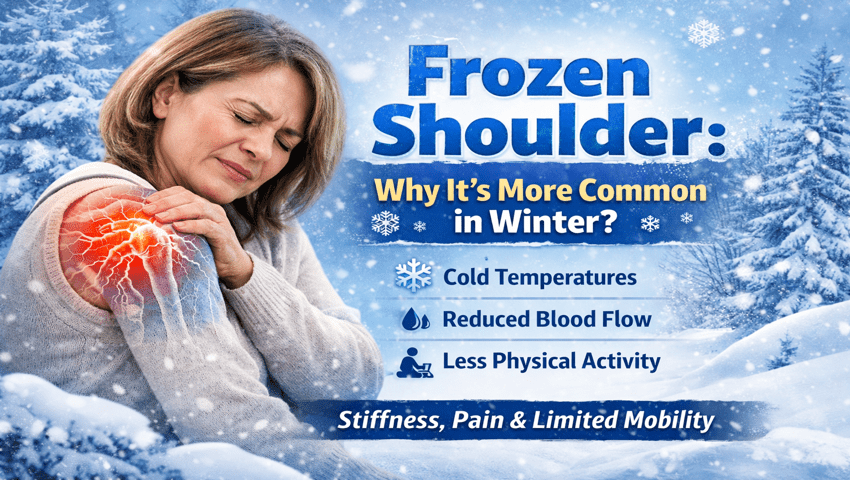
As the mercury drops in Pune and PCMC, many of us start feeling a familiar ache in our joints. While knee pain is common, a sharp rise in shoulder stiffness is often reported during the colder months. If you find it difficult to lift your arm to comb your hair or reach for a shelf, you might be experiencing Frozen Shoulder, medically known as Adhesive Capsulitis. With over 10 years of experience, Dr. Ashutosh Jadhav at Ayush Orthopedic Clinic has helped countless patients navigate this painful condition. As the Best Orthopedic Doctor in PCMC, Pune, Dr. Ashutosh Jadhav understands that winter brings unique challenges for joint health. In this guide, we explore why this condition flares up in the cold and how you can find lasting relief.
In This Blog You Will Learn:
- A clear frozen shoulder define and its medical background.
- Why the winter season make shoulder stiffness worse?
- The 4 stages of frozen shoulder and how to identify them.
- Effective frozen shoulder home remedies and professional treatments.
- Expert advice from Dr. Ashutosh Jadhav on preventing winter joint pain.
What Is Frozen Shoulder?
To frozen shoulder define, it is a condition characterized by stiffness and pain in the shoulder joint. The shoulder joint is enclosed in a capsule of connective tissue. When this capsule thickens and tightens around the shoulder joint, it restricts its movement.
Adhesive Capsulitis (the medical term) literally means the capsule has become “adherent” or stuck. This leads to a significant loss of range of motion, making the shoulder feel like it is physically locked in place.
Reasons for Frozen Shoulder (Causes):
If you are wondering why frozen shoulder happens or what causes a frozen shoulder, it usually stems from inflammation. Common periarthritis shoulder causes and shoulder include:
- Immobilization: Recovery from a surgery, a fracture, or even a shoulder dislocation can lead to stiffness if the arm isn’t moved for a long time.
- Systemic Diseases: People with Diabetes or thyroid disorders are much more likely to develop Adhesive Capsulitis.
- Age and Gender: It is most common in adults aged 40 to 60, especially women.
- Inflammatory Conditions: Underlying Arthritis or rotator cuff injuries can trigger the thickening of the joint capsule.
Why Frozen Shoulder Symptoms Worsen in Winter?
Many patients ask Dr. Ashutosh Jadhav, “Why does my stiff shoulder joint pain increase when it’s cold?” There are several scientific reasons:
- Reduced Blood Circulation: Cold weather causes blood vessels to constrict, reducing blood flow to the joints and increasing stiffness.
- Synovial Fluid Thickening: The fluid that lubricates your joints becomes thicker in low temperatures, making movement less smooth.
- Atmospheric Pressure: Changes in barometric pressure can cause tissues in the shoulder to expand, putting pressure on nerves.
- Lack of Activity: We tend to move less and stay curled up in winter, which leads to shortened muscles and increased Joint Pain.
Symptoms of Frozen Shoulder:
Knowing frozen shoulder where is the pain is key to diagnosis. The symptoms of frozen shoulder typically include:
- Dull Aching Pain: Usually located in the outer shoulder area and sometimes the upper arm.
- Limited Range of Motion: Inability to raise the arm sideways or reach behind the back.
- Worsening Night Pain: The pain often intensifies at night, making it hard to sleep on the affected side.
- Stiffness: A feeling that the joint is “stuck” or “mechanical.”
Who Is at Higher Risk of Frozen Shoulder?
You should consult the Best Orthopedic Doctor in Pune if you fall into these high-risk categories:
- Diabetic Patients: High blood sugar levels can affect collagen in the shoulder.
- Post-Surgery Patients: Those recovering from mastectomy or cardiac surgery.
- Sedentary Workers: People with poor posture who don’t engage in regular shoulder movement.
- Previous Injury: Anyone who has undergone Shoulder dislocation in the past.
The 4 Stages of Frozen Shoulder:
Adhesive Capsulitis progresses through four distinct phases:
- Pre-freezing Stage: Vague pain starts; movement begins to decrease slightly.
- Freezing Stage: Any movement of the shoulder causes pain, and the range of motion starts to limit significantly.
- Frozen Stage: Pain may actually begin to diminish, but the shoulder is at its stiffest.
- Thawing Stage: The range of motion begins to improve, and the joint “loosens up.”
Home Remedies for Frozen Shoulder:
While professional care is vital, these frozen shoulder home remedies can provide temporary relief:
- Heat Therapy: Using a heating pad for 15 minutes can loosen the stiff shoulder joint pain.
- Warm Showers: Letting warm water run over the shoulder in the morning helps “thaw” the stiffness.
- Anti-inflammatory Foods: Turmeric, ginger, and omega-3 rich foods help reduce internal swelling.
- Proper Sleep Posture: Use pillows to support the arm so it doesn’t hang or compress during the night.
Simple Exercises to Improve Shoulder Mobility:
If you are looking for a cure for frozen shoulder, movement is your best friend. Try these under the guidance of a specialist:
- Pendulum Stretch: Lean forward and let your arm hang down. Swing it in small circles gently.
- Towel Stretch: Hold a towel behind your back with both hands and pull the affected arm upward.
- Finger Walk: Stand facing a wall and use your fingers to “walk” up the wall as high as comfortable.
- Cross-Body Reach: Use your good arm to lift the affected arm at the elbow and bring it across your body.
Effective Treatments for Frozen Shoulder at Ayush Orthopedic Clinic, Pimpri:
At our clinic, Dr. Ashutosh Jadhav offers a tailored approach to how to cure frozen shoulder quickly:
- Personalized Physiotherapy: Specialized manual therapy to break down adhesions.
- Intra-articular Injections: Steroid or hydrodilatation injections to reduce inflammation and expand the capsule.
- Advanced Pain Management: Non-surgical methods to tackle stubborn Joint Pain.
- Manipulation Under Anaesthesia (MUA): In severe cases, Ashutosh Jadhav gently moves the shoulder while the patient is sedated to break the scar tissue.
- Arthroscopic Release: A minimally invasive “keyhole” procedure to snip the tight parts of the capsule.
Prevention Tips by Dr. Ashutosh Jadhav for Winter Shoulder Stiffness:
Preventing shoulder stiffness is easier than treating it. Follow these winter tips:
- Stay Active: Even 10 minutes of shoulder rotations daily can prevent Adhesive Capsulitis.
- Layer Up: Keep your shoulders warm with thermals or scarves to maintain circulation.
- Manage Diabetes: Keep your blood sugar levels in check to prevent collagen complications.
- Stay Hydrated: Water is essential for maintaining the quality of synovial fluid in your joints.
When to See an Orthopedic Doctor in PCMC, Pune?
You should not wait for the “Thawing Stage” to happen naturally, as it can take years. Consult Dr. Ashutosh Jadhav at Ayush Orthopedic Clinic if:
- The pain interferes with your sleep.
- You cannot perform basic hygiene (bathing, dressing).
- The pain radiates down to your elbow or up to your neck.
- Home remedies for frozen shoulder provide no relief after two weeks.
Conclusion:
Frozen shoulder is a frustrating condition, especially when the winter chill sets in. However, with the right combination of Physiotherapy, medical intervention, and lifestyle changes, you can reclaim your mobility.
Dr. Ashutosh Jadhav and the team at Ayush Orthopedic Clinic are dedicated to providing the best frozen shoulder treatment in the region. Don’t let your life come to a standstill—thaw the pain and move freely again.
Schedule your consultation with Dr. Ashutosh Jadhav
Call: 9637051999
Frequently Asked Questions (FAQ's):
Adhesive Capsulitis is the clinical name for frozen shoulder. It refers to the inflammation and subsequent scarring of the shoulder joint capsule, which causes the “ball and socket” to stick together, leading to severe pain and restricted movement.
To how to treat frozen shoulder, Dr. Ashutosh Jadhav at Ayush Orthopaedic Clinic recommends a combination of pain-relief medication, specialized Physiotherapy, and, in persistent cases, hydrodilatation or arthroscopic surgery to release the tight capsule.
Relieving pain in the shoulder blade involves a mix of trigger point massage, heat therapy, and exercises that strengthen the scapular muscles. Proper ergonomic adjustments at your desk are also essential to prevent recurring strain in that area.
Yes, cold weather causes muscles to tighten and reduces blood flow to the joints. At Ayush Orthopaedic Clinic, Dr. Ashutosh Jadhav observes a higher frequency of Joint Pain during winter because the synovial fluid in the shoulder thickens, making movements stiffer and more painful.