A sudden fall, a sports injury, or a road accident can instantly change your life with a sharp, stabbing pain. If you suspect you have broken bones, knowing the right steps to take is crucial. Dr. Ashutosh Jadhav, a renowned Orthopedic doctor in Pimpri Chinchwad and a dedicated Bone Fracture Specialist at Ayush Orthopedic Clinic, brings over 10 years of experience to help patients recover from all.
In this guide, we will break down everything you need to know about bone injuries, from a minor fracture to complex cases requiring a bone operation.
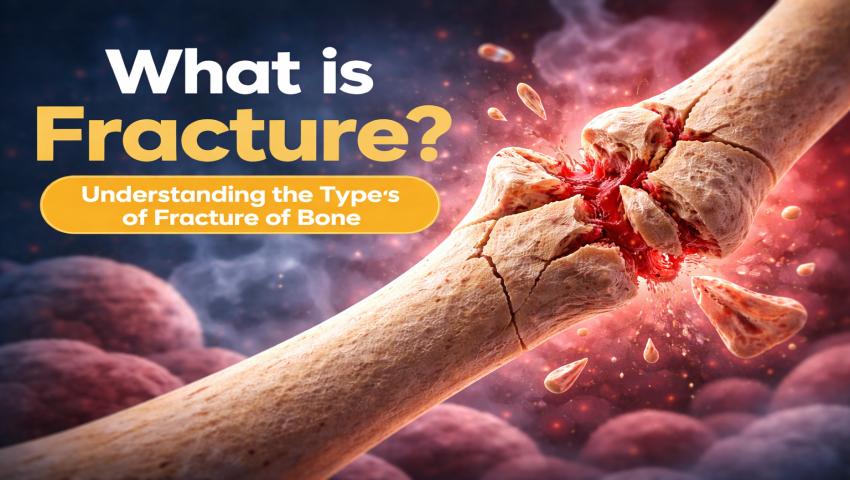
What Is a Bone Fracture?
In simple terms, a fracture is a medical condition where the continuity of the bone is broken. While many people use the term “broken bone” for severe cases and “fracture” for small cracks, in the medical world, they mean the same thing.
The Science of a Break:
A bone is remarkably strong and can bend slightly under pressure. However, if the force applied is too great, it snaps. A fracture can happen in any bone in the human body, from the tiny bones in your ear to the long femur in your thigh.
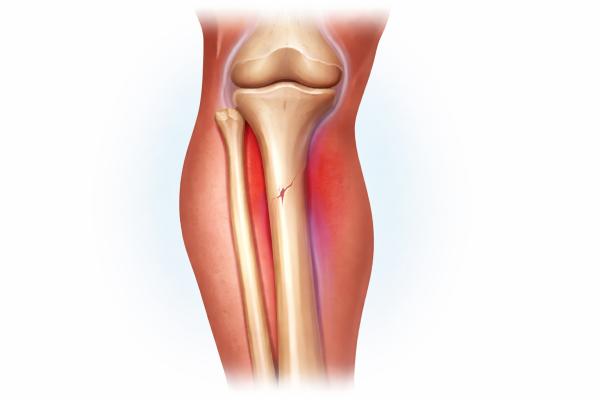
Minor Fracture: A small crack or “hairline” break that doesn’t shift the bone out of place.
Complete Fracture: The bone snaps into two or more separate pieces.
Bone Break X-ray: This is the primary tool used by specialists to see the extent of the damage and plan the fracture bone treatment.
Types of Fracture of Bone:
Bones can break in many ways, and identifying the specific type helps in deciding whether you need a simple plaster cast or bone break surgery.
1. Closed Fracture and Open Fracture:
This is the first thing a doctor checks:
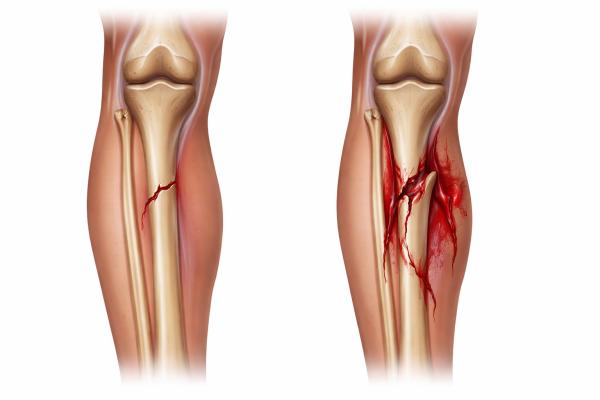
Closed Fracture: The bone breaks, but the skin remains intact. There is no external wound.
Open Fracture (Compound): The broken bone pierces through the skin. This is a medical emergency due to the high risk of infection.
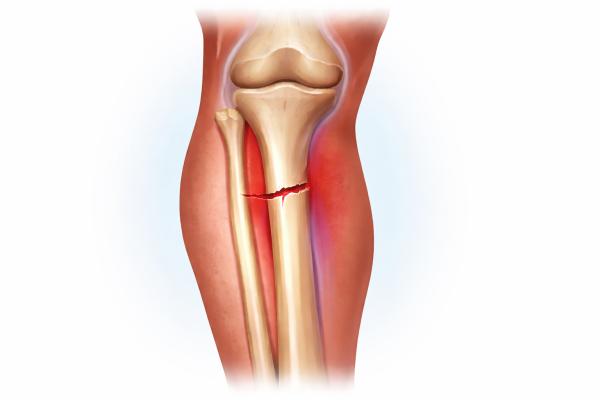
2. Transverse Fracture:
The break occurs in a straight horizontal line across the bone. A direct blow often causes these.
Stability: Because the break is perpendicular to the bone’s shaft, it is generally easier to align than angled breaks.
Common Cause: These are frequently seen in falls from a height or heavy objects falling directly onto a limb.
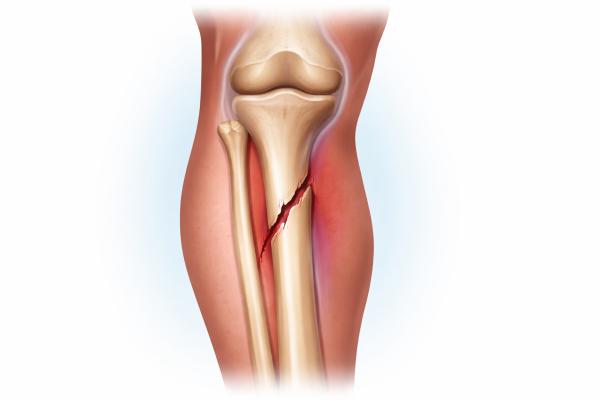
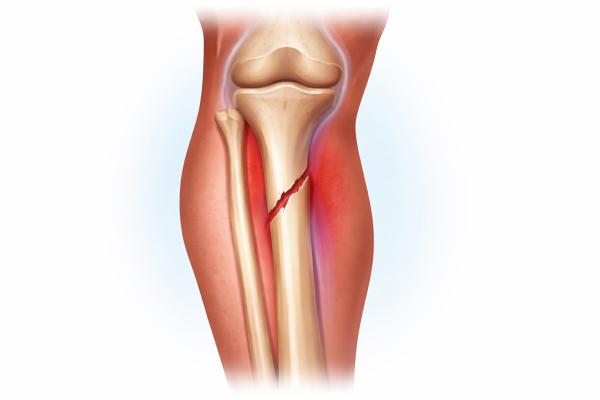
3. Oblique Fracture:
The bone breaks at an angle. These are often unstable and might shift during the healing process.
Complexity: These fractures are tricky because the angled ends can easily slide past each other without proper internal or external fixation.
Cause: They usually result from a “trapping” injury where one end of the bone is fixed while the rest of the body stays in motion.
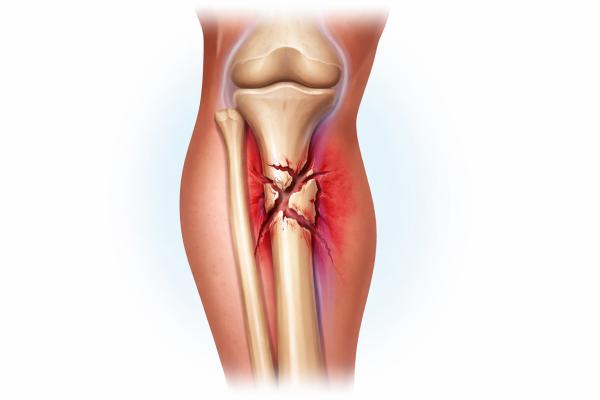
4. Comminuted Fracture:
The bone shatters into three or more pieces. These often occur after high-impact accidents and usually require bone fracture surgery.
Surgical Need: Surgeons often use plates, screws, or rods to hold the multiple fragments together while they heal.
Recovery: Healing is typically slower here because the blood supply to the smaller bone fragments may be temporarily disrupted.
5. Greenstick Fracture:
Common in children, the bone bends and cracks on one side but doesn’t break completely, similar to a green branch of a tree.
Why Children: Young bones are softer and more flexible than adult bones, allowing them to bend significantly before snapping.
Treatment: While they may look less severe, they still require a cast to ensure the bone doesn’t heal with a permanent curve or “bow.”
6. Stress Fracture:
A tiny crack caused by repetitive stress or overuse, common among athletes and runners.
Invisible on X-rays: These are often so small they don’t show up on a bone break X-ray initially and may require an MRI for diagnosis.
Warning Signs: The pain usually starts gradually and worsens during physical activity but disappears quickly with rest.
Common Causes of Bone Fractures:
Why do bones break? Dr. Ashutosh Jadhav identifies three main triggers:
Trauma: Falls, motor vehicle accidents, or direct hits during contact sports.
Osteoporosis: A condition that weakens bones, making them brittle enough to break even during a minor trip.
Overuse: Repetitive motion can tire out the muscles and place more force on the bone, leading to stress fractures.
Symptoms of a Fracture:
How do you know if it is just a sprain or a real break? Look out for these chipped bone symptoms and fracture signs:
Intense Pain: Pain that worsens when you try to move the area.
Swelling and Bruising: Rapid inflammation around the site.
Deformity: The limb or joint looks “out of place” or crooked.
Inability to Bear Weight: You cannot walk on a broken leg or lift items with a broken arm.
Grating Sensation: A feeling or sound of bones rubbing together (crepitus).
Recovery and Healing Time:
The fracture recovery time varies significantly based on your age, the bone involved, and the type of break.
Initial Phase (1-2 weeks): Inflammation and blood clot formation around the break.
Soft Callus (2-6 weeks): The body creates a bridge of cartilage to join the pieces.
Hard Callus (6-12 weeks): The cartilage is replaced by hard bone.
Remodelling (Months to Years): The bone returns to its original shape and strength.
On average, the cracked bone healing time for a healthy adult is about 6 to 8 weeks, though some large bones like the hip may take much longer.
Complications if Fractures Are Ignored:
Ignoring a break or visiting an unqualified “bonesetter” can lead to:
Malunion: The bone heals in a crooked position.
Non-union: The bone fails to grow back together.
Infection: Especially in open fractures, leading to bone death (osteomyelitis).
Permanent Stiffness: Loss of joint movement due to prolonged immobility.
Conclusion:
Understanding the different Types of fractures of Bone is the first step toward a successful recovery. Whether it is a simple hairline crack or a complex injury requiring bone break surgery, timely intervention is key.
At Ayush Orthopedic Clinic Pimpri, we are committed to providing world-class orthopedic care. Dr. Ashutosh Jadhav and his team use the latest technology to ensure your bones heal correctly, allowing you to return to your active life as soon as possible.
Generally, most fractures take 6 to 12 weeks to heal significantly. However, your individual fracture recovery time depends on the severity of the break, your nutrition, and whether you follow your fracture bone treatment plan diligently.
There are over a dozen types of fractures of bones, but the most common include closed, open, transverse, oblique, comminuted, and greenstick fractures. At Ayush Orthopedic Clinic, we use a bone break X-ray to identify the exact type and plan the best recovery route.
A bone has a natural ability to heal itself by producing new bone cells. However, for a fracture to heal correctly, the pieces must be aligned and kept still. Without professional help from an Orthopedic doctor in Pimpri Chinchwad, the bone may heal crookedly, leading to lifelong pain or disability.