
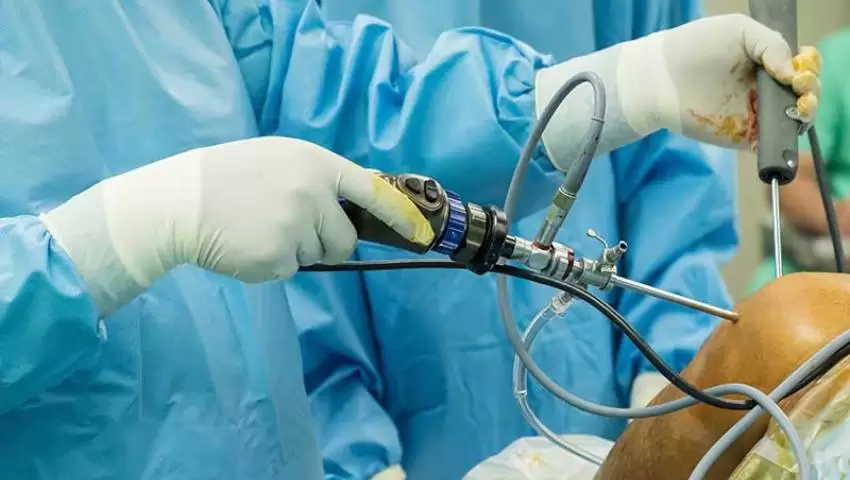
Knee replacement surgery has come a long way in the last two decades. One of the most significant advancements is the advent of Robotic Knee Replacement Surgery. This modern approach promises improved precision, shorter recovery times, and better long-term outcomes. But is it right for everyone? In this blog, we will explore the technology behind Robotic Knee Replacement Surgery, its benefits, and what you need to know before making a decision.
What is Robotic Knee Replacement Surgery?
Robotic knee replacement is not performed by a robot alone. Rather, it’s an advanced system where the orthopedic surgeon uses a robotic arm as a precise tool to assist during surgery. The robot helps the surgeon to:
- Plan the procedure with 3D imaging
- Perform bone cuts with better accuracy
- Place the implant in an ideal position based on the patient’s anatomy
The surgeon remains in control at all times. The robot serves as an aid to improve the consistency and alignment of the knee replacement. Similar advanced technology is also being used in Robotic Spine Surgery, where precision plays a vital role in achieving better outcomes for patients.
Benefits of Robotic Knee Replacement:
- Greater Precision: The robot’s 3D mapping ensures accurate placement of implants, reducing the chance of misalignment.
- Less Tissue Damage: With improved precision, there is less damage to surrounding soft tissues and ligaments.
- Faster Recovery: Patients typically experience shorter hospital stays and quicker rehabilitation.
- Reduced Pain Post-Surgery: Minimal tissue disruption can result in less postoperative pain.
- Longer Implant Life: Better alignment and placement of the artificial joint can increase the longevity of the implant.
Who is a Candidate for Robotic Knee Replacement?
- Patients with severe osteoarthritis who have not responded to conservative treatments
- Individuals seeking high precision and better functional outcomes
- Younger patients who need longer-lasting implants
However, not everyone is an ideal candidate. Factors like bone deformity, previous surgeries, or poor bone quality may make traditional surgery a better option.
Recovery Timeline:
- Hospital Stay: Most patients stay 1-2 days post-surgery
- Walking: You can start walking with assistance the same day or next
- Physiotherapy: Begins almost immediately and continues for several weeks
- Return to Daily Activities: Within 4-6 weeks for light activities
- Full Recovery: Usually within 3-4 months
Myths About Robotic Surgery:
- Myth 1: The robot performs the surgery independently. Fact: The surgeon controls every step. The robot is a tool, not a replacement.
- Myth 2: Robotic surgeries are riskier. Fact: Studies show they are as safe, if not safer, due to increased precision.
- Myth 3: It’s only for young people. Fact: Elderly patients with good overall health can also benefit.
Conclusion:
Robotic knee replacement is revolutionizing orthopedic care. It offers enhanced precision, less pain, and quicker recovery compared to traditional methods. However, a thorough evaluation by an orthopedic surgeon is crucial to determine if you’re the right candidate. If you’re considering knee replacement, consult the Best Ortho Doctor in PCMC, Dr. Ashutosh Jadhav, and ask about robotic options and how they compare with conventional techniques.
FAQs About Robotic Knee Surgery Replacement:
Yes, robotic knee replacement surgery offers sub-millimeter precision that the human eye cannot match. This results in better implant alignment, a more “natural” feel, and a faster recovery for the patient.
Most patients at Ayush Orthopedic Clinic can begin walking within 24 hours of the procedure. You can typically return to most daily activities and driving within 4 to 6 weeks.
The primary disadvantages of knee replacement surgery using robots are the higher initial cost and the need for a highly skilled surgeon. It also requires a more detailed pre-operative planning phase involving CT scans.
No, Dr. Ashutosh Jadhav is in full control; the robot acts as a high-precision guide to ensure perfect accuracy. The joint replacement robot simply prevents the surgeon from deviating from the personalized digital plan.